Megan Froehlich
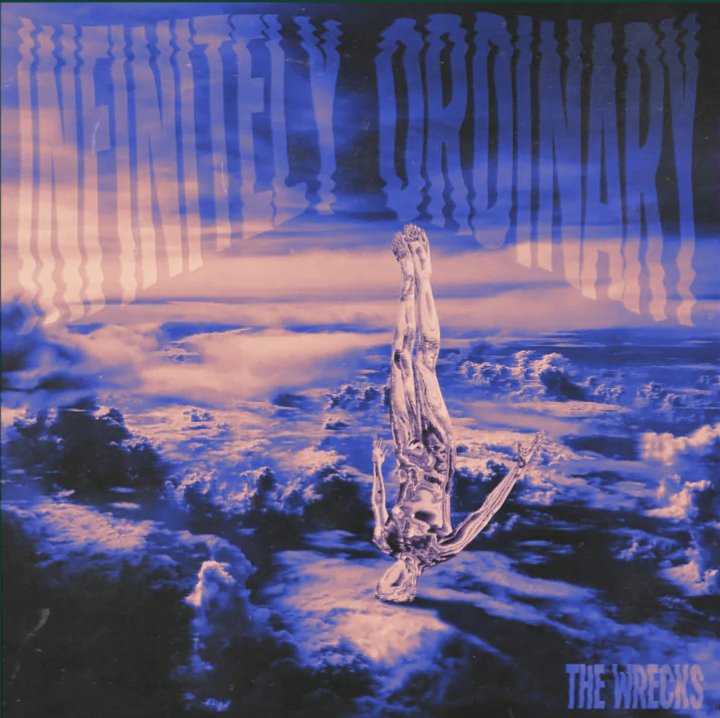
For most of your life, you probably didn’t know how just lying in bed with headphones on could spark your soul and remind you of the infinite possibilities of the world. Completely alone, having nothing else to do at 12 A.M. but raise the volume. But for most of your life, you probably weren’t listening to The Wrecks.
When alternative band The Wrecks dropped their debut album, Infinitely Ordinary, fans thought they were more than ready for the release, having made endless jokes on Twitter about waiting forever for the record. Yet somehow, when the world hit play on May 1st 2020, it realized it had no idea what it was waiting for all this time. Infinitely Ordinary is more than new music from a good band. It’s more than art. It’s an experience more vibrant than crowd surfing in a pit, bathed in the blinding lights of the stage.
The first track, “Freaking Out” describes exactly what listening to the album feels like. The lyrics mixed with anticipation of the next beat and exhilaration of the vocals forms an audible chemical that injects euphoria with a touch of despair, fear, and peace. The track may be about trying psychedelics, but it finds a way to speak to fans on all forms of anxiety, mania, and loneliness and to connect with their individual experiences. The statcato delivery of the verses contradicts with the overflow of energy in the chorus to show this vast range of emotions.
The entire record connects with a moment of summer. “Freaking Out” is letting go of inhibitions and soaking in an entire moment. “Feels So Nice” is dancing and slipping into synchrony as you get closer to the person that makes you think “this might be love.” You forget what time it is or that you have to be somewhere in the morning because all you’re focused on are colors in the sky shaping their face. These moments are conveyed by the genuine nature of lead singer Nick Anderson’s voice. He describes them over electricity that dips into a quiet chorus zoning in on the simplicity of feeling good.
Songs like “Out of Style” and “Fvck Somebody” are ones to blast through the sound system and scream to, especially when the chorus hits. They play with the themes of relationships in an upbeat way that provides a sense of freedom while describing being trapped. With an addictive melody and loud attitude, these tracks work perfectly to grip fans into the rest of the album and to transition into “Four.”
“Four” deals with the heavier, darker side of love where Anderson talks about breaking silence and his heart for the sake of saving the relationship. It can be matched with the realization that summer doesn’t last and the desperation you have to save the good in your life. The song’s introduction includes playful tones that soon build to the bare vulnerability that Anderson releases in his vocals that glide over soft violins. As his voice becomes more raw at the end of the second chorus, so does the pain behind it, and it’s impossible for listeners to avoid feeling the torment too.
To assist the recovery from the heartache of the last track, The Wrecks next hit their fans with “We All Get Lonely.” It sounds like a celebration with the loud pounding that introduces the track. The first verse sounds robotic, then flows into a falsetto that transitions into the chorus, which is spent calling someone out for mistreatment. The song is an acceptance of discomfort; it’s bouncing back from insecurity, making the most of sorrow and dancing under the thunder.
The Wrecks dive headfirst into a mental breakdown with “This Life I Have” as Anderson sings about hating everything from his life to the ending of The Notebook, all the while maintaining a playful tone and an upswing in the tone of his voice. The tempo changes with the emotional state of the lyrics, increasing when talking about popping pills and decreasing as the acknowledgement comes that it’s just a bad night. And despite the depression rooted in the song, fans can’t fight the urge to bop their head to the beat or even mosh as they empathize with the pure thoughts Anderson has poured across the invigorating music.
Then comes the sharp switch to wanting life back. Wanting to forget all the pain and focus on what’s left. “This Life I Have” is standing on a roof screaming after sitting on the concrete for too long. It’s knowing that September is a few days away and you have to go get that love you found in June that you almost let slip away.
The track “Infinitely Ordinary” is letting go. The soft introduction of piano of oceanic waves eases fans into this wild journey of discovering what life is and what it can be. As soon as the chorus kicks it, the music and escalation of vocals knocks you over like a tidal wave. And as you hit the sand, you realize you never wanted dry clothes. Maybe life isn’t this huge adventure with a twist and turn every second. Maybe everyone gets knocked over, and maybe falling is the best part. Not knowing when the ground will come. Not knowing how hard you’ll crash.
The album feels like every second of summer, including the bits most people don’t want to remember. Even if you listen to it in the middle of January, you’d want to run out on the beach barefoot because anything feels possible. And maybe for once in your life, you feel whole. Maybe we didn’t know we were waiting for it all our lives, as Anderson exclaims in “Freaking Out,” but we were. Waiting for that validation, for something to take us by the hand and put us on a ride when life feels meaningless. But I don’t think fans knew that something would be an album. An album about wanting freedom, about heartbreak, about acceptance. An album about mortality.
So put on your headphones. You don’t have to be alone in the dark, but if you click play on The Wrecks Infinitely Ordinary, you’ll hear Nick Anderson telling you it’s alright.
 Live Writer